1. Walk the grounds
For outdoor spaces, the crew walks fence lines, planters, corners and bushes where needles collect.
Rollingwood, TX · Travis County
A tenant moved out and a syringe is on the floor. A park, alley or shop doorway has needles on the ground. In Rollingwood, call (877) 812-4220 for sweeping, collection and safe disposal.
If anyone is in danger, call 911 first. For a suicide crisis, call or text 988.
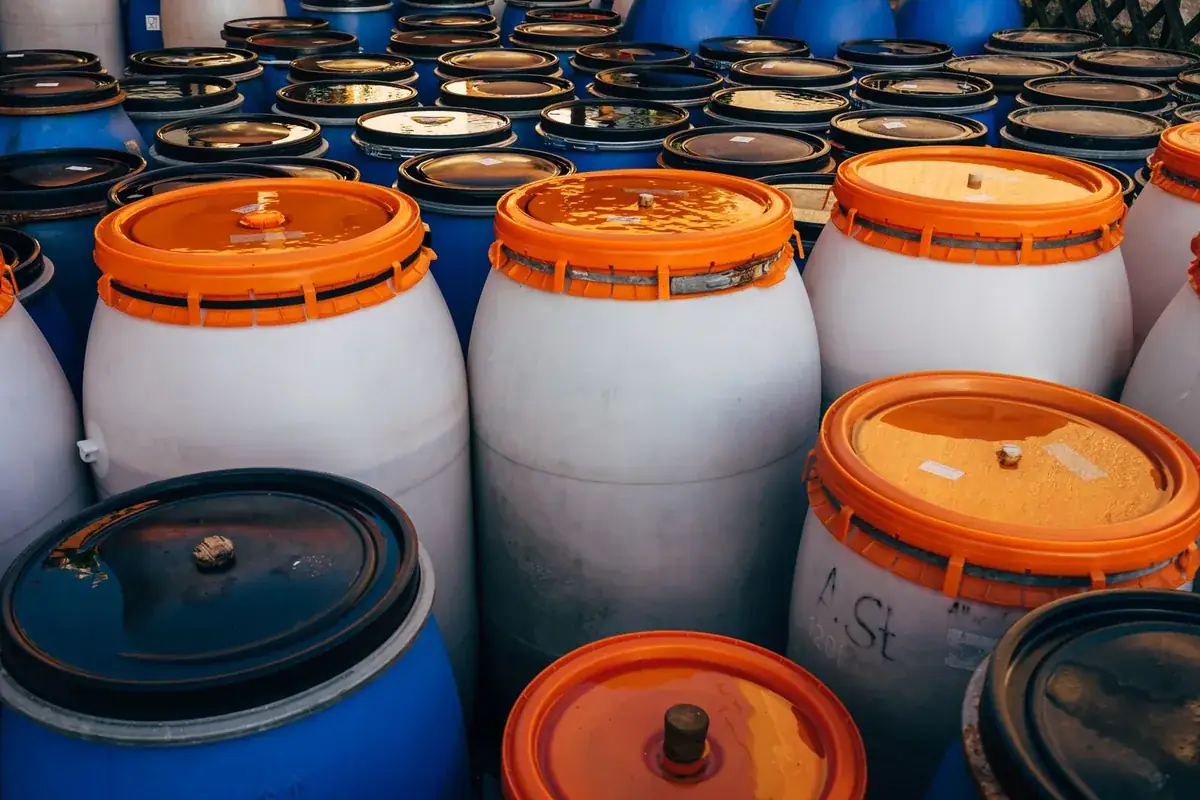
Syringe cleanup removes used needles from places where they should not be and treats the surfaces they touched. The sharps are collected, sealed and hauled away as regulated medical waste.
If your school, church or small business in Rollingwood finds needles outside, you can get calm, step-by-step cleanup from Rollingwood Biohazard Cleanup Help. Crews search, collect and dispose of sharps across Travis County and explain what they found.
With roughly 48% of Travis County households renting, turnover is common and units are checked between tenants. Report suspected drug activity to the Travis County Sheriff's Office or local police. Once they are finished, a cleanup team can remove needles from the property in Travis County.
What needle & sharps cleanup covers:
For outdoor spaces, the crew walks fence lines, planters, corners and bushes where needles collect.
Cleanup technicians wear puncture-resistant gloves, eye protection and boots for the sweep.
Sharps go into labeled containers without being recapped, bent or picked up by hand.
After the last walk-through, the owner can reopen the area to tenants, customers or family.
The cost of needle & sharps cleanup in Rollingwood, TX depends on the amount of material, how it is packed and how it is hauled.
Records and documentation for a landlord, insurer or city office can add a little time, so ask for them when you call.
| Type of job | Typical range |
|---|
Estimates only, not a quote. Sources: . Price drivers include number of items, where they are found, whether a sweep of a large area is needed, waste disposal. Call (877) 812-4220 to talk through the job.
Loose needles should not go in household trash, because they can stab sanitation workers. Rules for small amounts of household sharps vary by city and county. The local health department can say what is allowed, and a cleanup team can take larger amounts.
No. Recapping or bending a used needle is one of the most common ways people get stuck. Leave it where it is and let a cleanup team lift it with a tool and place it in a container.
Yes. Dogs and cats may sniff, chew or step on sharps. Keep pets away from the area until a cleanup team has searched it. If a pet is stuck or swallowed something, call a veterinarian right away.
A local biohazard cleanup team can search the area and remove needles and other sharps. Some cities and health departments also help with found needles on public land. For a single needle outdoors, the health department is a good first call, and for anything bigger, a cleanup team.
No. Crews focus on safety and cleanup, not on why the needles are there. The team asks only what it needs to plan the work, and you decide what else to share.
They can be tucked into couch cushions, mattress seams, drawers, vents and ceiling tiles. That is why a sharps sweep covers more than the floor. Crews check hidden spots with tools and light before declaring a room clear.
Ask about discreet arrival in an unmarked vehicle if privacy matters.
Call (877) 812-4220